

SOYBEAN
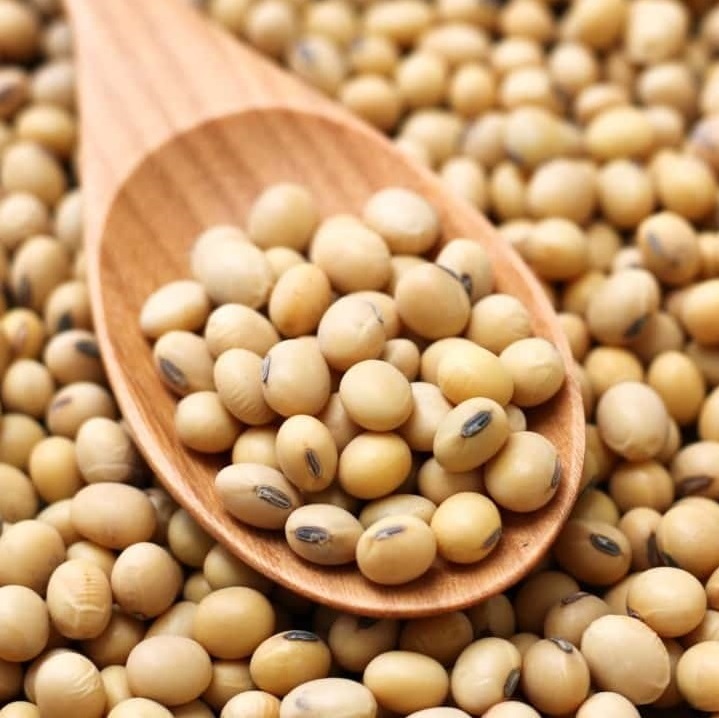
The soybean is a legume native to East Asia. Cultivated for thousands of years, it is now one of the
most important crops in the world due to its nutritional richness, versatility, and numerous
applications in human food, animal feed, and industry.
Soybeans are an extremely versatile crop, used in many sectors.
Soybeans are a staple food in many cultures, particularly in Asia, and are gaining popularity
worldwide, particularly in vegetarian and vegan diets.
Processed Products:
Textured Soy Protein (TSP): Used as a meat substitute in burgers, sausages, or vegetarian ready
meals.
Soy Flour: Incorporated into baked goods to enrich their protein content.
Soybean oil: One of the
most widely used vegetable oils for cooking, frying, and making margarines.
Dietary supplements: Soy isoflavones are extracted for supplements designed to relieve
menopausal symptoms or support cardiovascular health.
Nutritional benefits:
*Affordable and sustainable source of plant-based protein.
• Low in saturated fat, ideal for cardiovascular health.
• Suitable for lactose-free, gluten-free (depending on processing), and vegan diets.
Animal feed
Soybeans are a key ingredient in livestock, poultry, and farmed fish feed:Soybean meal: Residue obtained after soybean oil extraction. Rich in protein (approximately 45%), it is widely used as feed for pigs, chickens, cattle, and fish.
Global Importance: Approximately 70% of global soybean production is used for animal feed, supporting the meat and dairy industries.
Benefits: Highly digestible and rich in essential amino acids (lysine, methionine).
Industrial Applications
Soybeans are also used in non-food applications, thanks to their chemical properties:
Biofuels : Soybean oil is converted into biodiesel, a renewable alternative to fossil diesel.
Plastics and Polymers: Soybean compounds are used to produce biodegradable plastics and resins.
Inks and Paints: Soybean oil serves as a base for eco-friendly printing inks and paints.
Cosmetics: Soybean derivatives (such as lecithin) are used in creams, lotions, and hair products for their emulsifying and moisturizing properties.
Adhesives and construction materials: Soy proteins are used in the manufacture of environmentally friendly glues and wood panels.
Agriculture and environment
Green manure : Soybeans, like other legumes, fix nitrogen in the soil through a symbiosis with bacteria (rhizobia), improving soil fertility.
Nutrition : Source of complete protein, ideal for populations with limited access to meat.
Versatility: Wide range of uses, from food to industry.
Sustainability: Soybeans are a relatively efficient crop in terms of yield per hectare and resource use.
Health: Soybean isoflavones and phytosterols are associated with health benefits (lowering cholesterol, bone health).
The soybean is a legume native to East Asia. Cultivated for thousands of years, it is now one of the
most important crops in the world due to its nutritional richness, versatility, and numerous
applications in human food, animal feed, and industry.
Soybeans are an extremely versatile crop, used in many sectors.
Soybeans are a staple food in many cultures, particularly in Asia, and are gaining popularity
worldwide, particularly in vegetarian and vegan diets.
Processed Products:
Textured Soy Protein (TSP): Used as a meat substitute in burgers, sausages, or vegetarian ready
meals.
Soy Flour: Incorporated into baked goods to enrich their protein content.
Soybean oil: One of the
most widely used vegetable oils for cooking, frying, and making margarines.
Dietary supplements: Soy isoflavones are extracted for supplements designed to relieve
menopausal symptoms or support cardiovascular health.
Nutritional benefits:
*Affordable and sustainable source of plant-based protein.
• Low in saturated fat, ideal for cardiovascular health.
• Suitable for lactose-free, gluten-free (depending on processing), and vegan diets.
Animal feed
Soybeans are a key ingredient in livestock, poultry, and farmed fish feed:Soybean meal: Residue obtained after soybean oil extraction. Rich in protein (approximately 45%), it is widely used as feed for pigs, chickens, cattle, and fish.
Global Importance: Approximately 70% of global soybean production is used for animal feed, supporting the meat and dairy industries.
Benefits: Highly digestible and rich in essential amino acids (lysine, methionine).
Industrial Applications
Soybeans are also used in non-food applications, thanks to their chemical properties:
Biofuels : Soybean oil is converted into biodiesel, a renewable alternative to fossil diesel.
Plastics and Polymers: Soybean compounds are used to produce biodegradable plastics and resins.
Inks and Paints: Soybean oil serves as a base for eco-friendly printing inks and paints.
Cosmetics: Soybean derivatives (such as lecithin) are used in creams, lotions, and hair products for their emulsifying and moisturizing properties.
Adhesives and construction materials: Soy proteins are used in the manufacture of environmentally friendly glues and wood panels.
Agriculture and environment
Green manure : Soybeans, like other legumes, fix nitrogen in the soil through a symbiosis with bacteria (rhizobia), improving soil fertility.
Nutrition : Source of complete protein, ideal for populations with limited access to meat.
Versatility: Wide range of uses, from food to industry.
Sustainability: Soybeans are a relatively efficient crop in terms of yield per hectare and resource use.
Health: Soybean isoflavones and phytosterols are associated with health benefits (lowering cholesterol, bone health).