

PALM KERNEL OIL
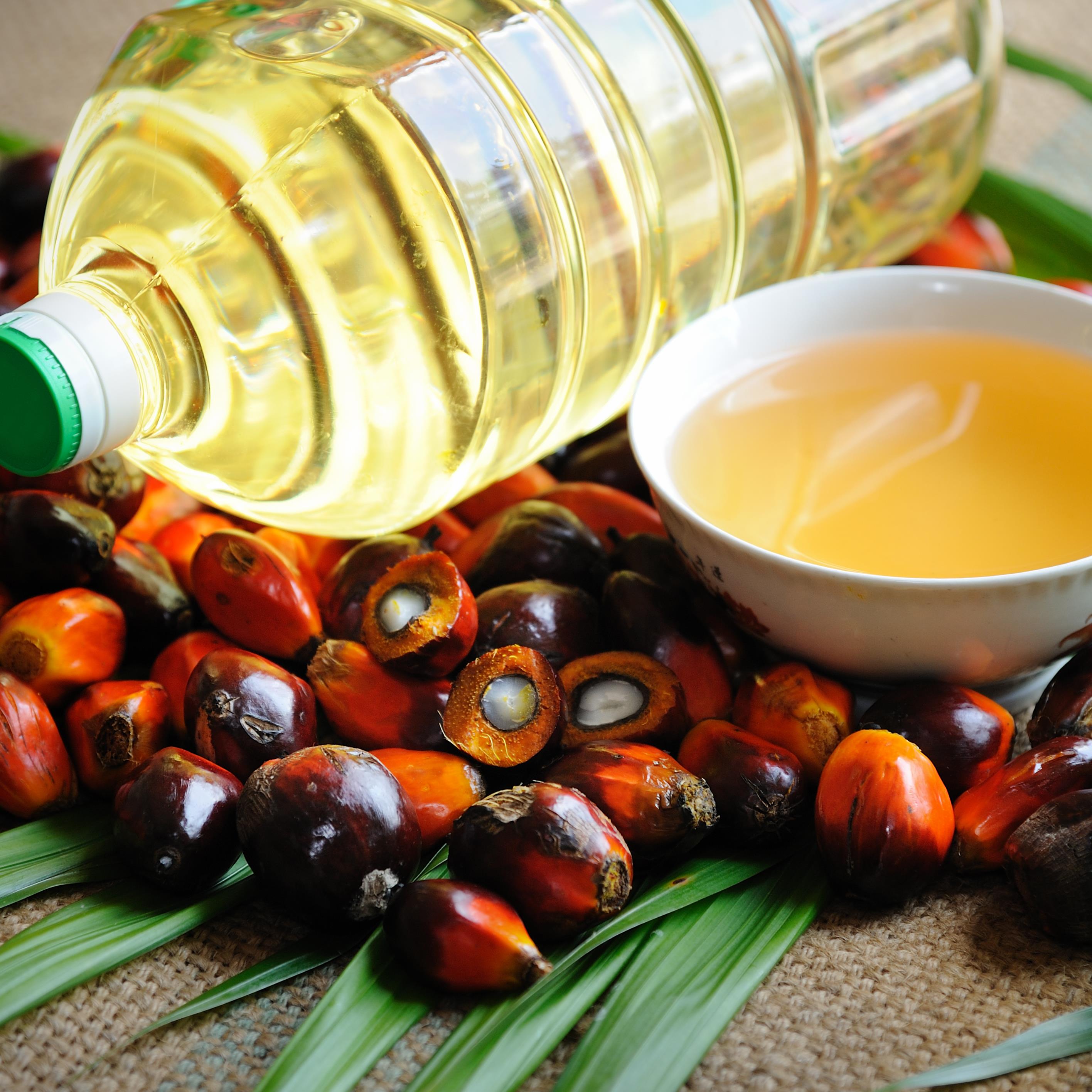
Palm kernel oil, extracted from the kernels (seeds or pits) of the oil palm fruit
(Elaeis guineensis), is a vegetable oil widely used in various sectors, including
food, cosmetics, soap making, and industry.
Uses of Palm Kernel Oil
1-Food Industry
Processed Products: Thanks to its high melting point and stability, it is used in
the manufacture of:
Vegetable margarines and butters, Chocolates and confectionery (cocoa butter substitute in the EU), Ice cream, biscuits, cakes, snacks, and fries.
Cooking Oil: Used in blends with other vegetable oils, particularly in Africa for traditional dishes.
Benefits: Improves the texture and shelf life of processed foods.
2-Cosmetics and Soaps
Skin Care
Hydration: Its saturated and unsaturated fatty acid content deeply hydrates, protects the skin barrier, and soothes dry or sensitive skin.
Anti-aging: Vitamin E and antioxidants reduce wrinkles and protect against UV rays and pollution.
Anti-inflammatory: Soothes irritation, redness, and itching, useful for eczema or diaper rash in babies.
Hair Care
Nourishment and Shine: Nourishes dry or frizzy hair, strengthens the hair fiber, and stimulates growth.
Detangling: Makes frizzy hair easier to style by reducing tangles.
Treatment: Applied warm, it can reduce hair loss and treat alopecia.
Soaps and detergents: Its high saturated fatty acid content makes it an ideal base for saponification (sodium palm kernelate).
3-Industry
Lubricants: Used as a mechanical lubricant in various industrial applications.
Oleochemistry: Used to produce chemical derivatives for detergents, emulsifiers, and other products.
Biofuels: Although marginal (approximately 5% of production), it can be hydrogenated to produce biofuels, but its tendency to solidify limits its use.
Palm kernel oil, extracted from the kernels (seeds or pits) of the oil palm fruit
(Elaeis guineensis), is a vegetable oil widely used in various sectors, including
food, cosmetics, soap making, and industry.
Uses of Palm Kernel Oil
1-Food Industry
Processed Products: Thanks to its high melting point and stability, it is used in
the manufacture of:
Vegetable margarines and butters, Chocolates and confectionery (cocoa butter substitute in the EU), Ice cream, biscuits, cakes, snacks, and fries.
Cooking Oil: Used in blends with other vegetable oils, particularly in Africa for traditional dishes.
Benefits: Improves the texture and shelf life of processed foods.
2-Cosmetics and Soaps
Skin Care
Hydration: Its saturated and unsaturated fatty acid content deeply hydrates, protects the skin barrier, and soothes dry or sensitive skin.
Anti-aging: Vitamin E and antioxidants reduce wrinkles and protect against UV rays and pollution.
Anti-inflammatory: Soothes irritation, redness, and itching, useful for eczema or diaper rash in babies.
Hair Care
Nourishment and Shine: Nourishes dry or frizzy hair, strengthens the hair fiber, and stimulates growth.
Detangling: Makes frizzy hair easier to style by reducing tangles.
Treatment: Applied warm, it can reduce hair loss and treat alopecia.
Soaps and detergents: Its high saturated fatty acid content makes it an ideal base for saponification (sodium palm kernelate).
3-Industry
Lubricants: Used as a mechanical lubricant in various industrial applications.
Oleochemistry: Used to produce chemical derivatives for detergents, emulsifiers, and other products.
Biofuels: Although marginal (approximately 5% of production), it can be hydrogenated to produce biofuels, but its tendency to solidify limits its use.