

RICE
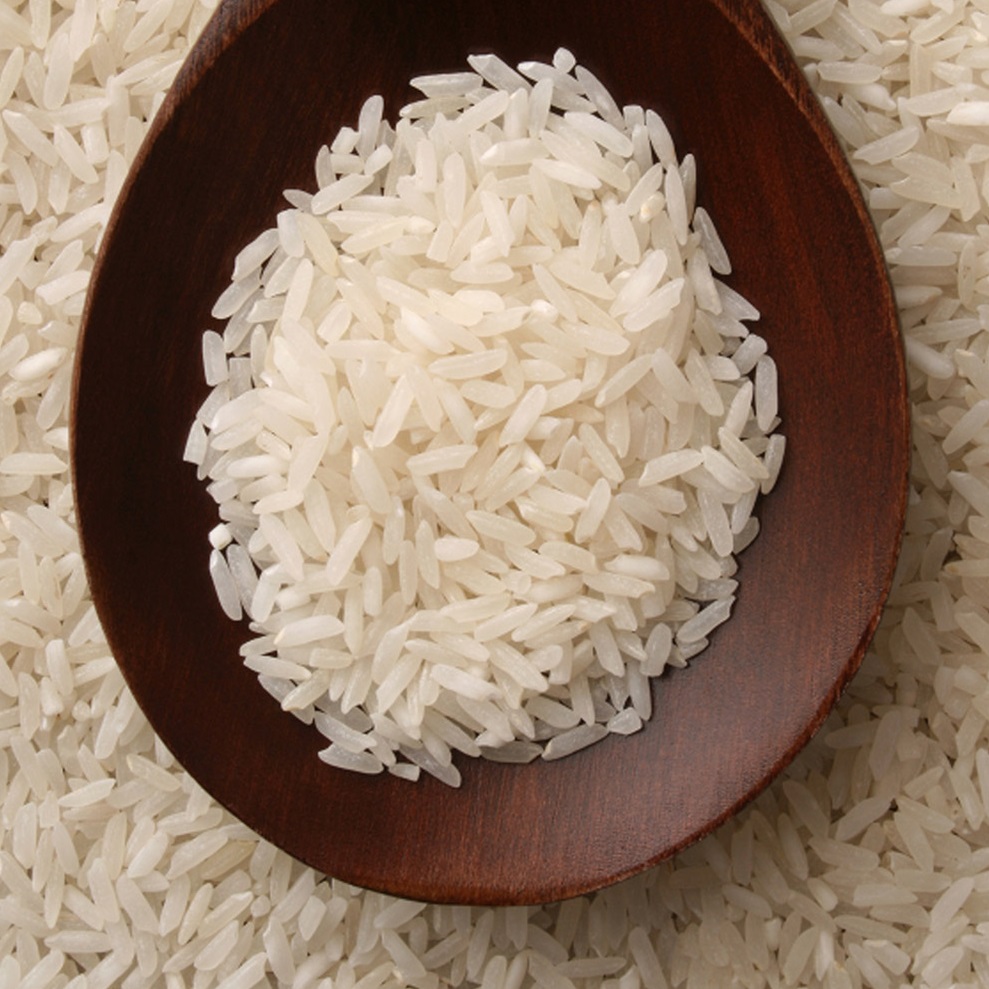
Rice (Oryza sativa for Asian rice, Oryza glaberrima for African rice) is one of the world's most
important cereals, constituting the staple food for more than half of the world's population.
Cultivated for millennia, primarily in Asia, Africa, and the Americas, rice is valued for its versatility,
nutritional value, and central role in many cultures. There are thousands of varieties, adapted to
diverse climates and cuisines.
Uses
Culinary: Main Course: Base of dishes such as risotto (Italy), sushi (Japan), biryani (India), or jollof rice
(West Africa).
Side Dish: Served with vegetables, meats, or sauces in many cuisines. Desserts: Used in rice pudding,
sticky rice cakes (mochi), or puddings.
Derived Products: Rice flour (for noodles, gluten-free breads), rice milk, rice vinegar, sake.
Other Uses:
Industry: Rice starch is used in cosmetics, pharmaceuticals, and textiles.
Agriculture: Rice hulls are used as fuel, fertilizer, and construction material.
Uses
Culinary: Main Course: Base of dishes such as risotto (Italy), sushi (Japan), biryani (India), or jollof rice (West Africa).Side Dish: Served with vegetables, meats, or sauces in many cuisines. Desserts: Used in rice pudding, sticky rice cakes (mochi), or puddings. Derived Products: Rice flour (for noodles, gluten-free breads), rice milk, rice vinegar, sake.
Other Uses:
Industry: Rice starch is used in cosmetics, pharmaceuticals, and textiles.
Agriculture: Rice hulls are used as fuel, fertilizer, and construction material.